Basics of Color Pencil Drawing: A Beginner's Guide
- Jul 31, 2025
- 4 min read
Updated: Mar 24
Color pencil drawing is an accessible and delightful medium that can introduce anyone to the world of art. Whether you're a complete beginner or someone looking to refine your skills, understanding the fundamentals of color pencil drawing can set you on a path to creativity. In this post, we’ll explore essential techniques for beginners, recommend tools and materials, provide a step-by-step guide for a simple drawing, identify common mistakes to avoid, and discuss the benefits of using color pencils.
Artwork reference: An example of my drawing style and visual concept used in this blog.


Artwork © Sachin Sathawane | Pencil Spark
Color Pencil Drawing: A Beginner's Guide
Essential Techniques for Beginners
Before starting your color pencil drawing journey, it’s essential to understand a few basic techniques that will help you create appealing artwork.
Layering
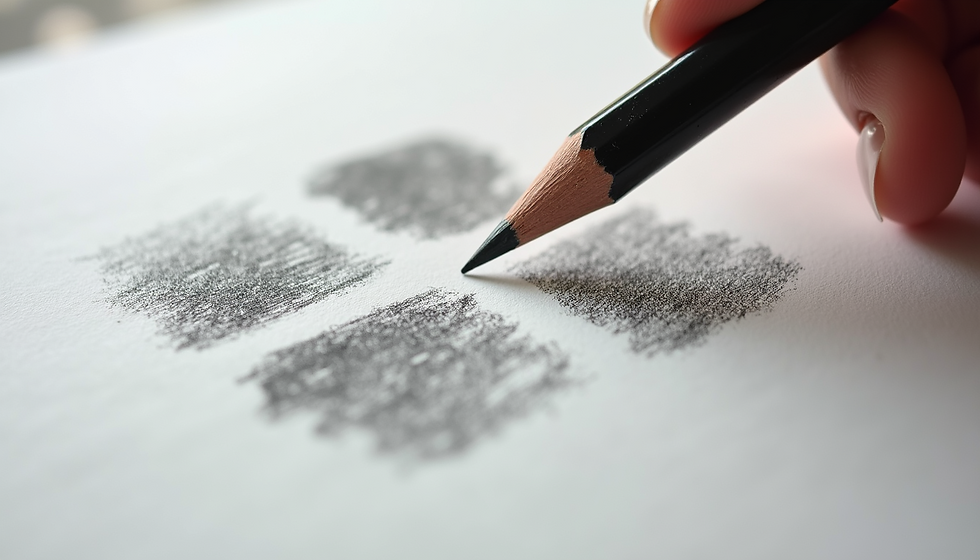
One of the most effective techniques with color pencils is layering. This involves applying multiple layers of color to build depth and richness in your artwork. Start with light colors and gradually build up to darker shades. Practice creating a gradient by blending colors together.
Blending
Blending is key to making your art look smooth and professional. You can use a blending stump, cotton swab, or even your fingers to blend colors. Experiment with different methods to find what works best for you.
Hatching and Cross-Hatching
Hatching involves drawing closely spaced parallel lines to create texture and shading. Cross-hatching is when you add a second layer of lines at an angle to the first set. Both techniques are useful for representing light and shadow.

Recommended Tools and Materials
Having the right tools can enhance your experience and results. Here’s a list of essential materials you’ll need:
Color Pencils: Look for quality pencils with a wide range of colors. Popular brands include Prismacolor and Faber-Castell.
Paper: Choose a paper that is suitable for colored pencils. Heavier paper (around 80 lb) with a bit of texture works well for layering.
Blending Tools: Stock up on blending stumps, tortillons, or cotton swabs to help you blend colors smoothly.
Sharpener: A good sharpener will help you maintain a fine point on your pencils. Consider a hand-held rotary sharpener.
Eraser: A kneaded eraser or a white vinyl eraser can help correct mistakes without damaging your paper.
Step-by-Step Guide for a Simple Drawing
Let’s try a simple drawing, such as a colorful fruit. This step-by-step guide will help you follow along.
Step 1: Sketch the Outline
Begin with a light pencil sketch of the fruit you want to draw. Keep your lines soft, as you will erase them later. For this demonstration, let’s draw an apple.
Step 2: Base Layer
Select a light red color pencil and apply a base layer over the entire apple shape. Use light pressure to create a wash of color.
Step 3: Add Depth
Now, add deeper shades of red and some yellow in certain areas to create dimension. Use the layering technique to build up the colors gradually.
Step 4: Blending
Once you’re satisfied with the color application, use a blending stump to blend the colors together. This will smoothen any harsh lines and leave a polished look.
Step 5: Final Details
Add highlights using a white or light pink pencil. This will create a shiny effect, making your apple look more realistic.

Common Mistakes to Avoid
As a beginner, it’s easy to make mistakes. Here are some common pitfalls to be aware of:
Pressing Too Hard: Many novices press down too hard, which can damage the paper and lead to uneven application of colors. Use gentle strokes instead.
Skipping Layers: Avoid applying one thick layer of color. Build up your colors gradually through layers to achieve depth.
Neglecting Paper Quality: Not all papers are created equal. Using poor-quality paper can lead to frustrating results. Always choose paper designed for colored pencils.
Ignoring Light Sources: When shading, forget to consider where the light is coming from. This affects how you apply color and shading.
Benefits of Using Color Pencils
Color pencils offer various benefits that can enhance your drawing experience:
Accessibility: They're easy to find and usually more affordable than many other art supplies.
Portability: Color pencils are compact and travel-friendly, allowing you to draw anytime and anywhere.
Control: They provide the artist with a high level of control, which is especially beneficial for detailed work.
Mixing Colors: Color pencils can be layered and mixed with one another, resulting in a unique color palette.
Minimal Mess: They are less messy compared to paint, making them suitable for all ages.

Start Your Color Pencil Journey Today
Color pencil drawing offers an enjoyable and fulfilling way to express your creativity. With the right techniques, tools, and a bit of practice, anyone can create beautiful works of art. Remember, the key is to enjoy the process - every stroke of the pencil brings you closer to refining your artistic skills.
So grab your colored pencils and a sheet of paper, and start your drawing journey today! Whether you aim for a masterpiece or a simple sketch, the most important aspect is having fun.
Conclusion
In conclusion, color pencil drawing is a fantastic way to explore your artistic side. By mastering the essential techniques, using the right tools, and avoiding common mistakes, you can create stunning artwork. Embrace the joy of drawing and let your creativity flow. Happy drawing!


Comments