
Creating Realism: Mastering Realistic Drawing Methods with Pencil
- Dec 27, 2025
- 5 min read
Updated: Feb 20
Drawing with a pencil is one of the most accessible and rewarding ways to create art. If you want your sketches to truly come alive, you need to go beyond simple outlines and shading. Realism in pencil drawing captures the subtle details, textures, and light that make your subject believable. I’m excited to share some of the best realistic drawing methods that have helped me bring my pencil art to life. Whether you’re just starting or looking to refine your skills, these tips will guide you step-by-step.
Understanding Realistic Drawing Methods
Realistic drawing methods focus on replicating what you see with accuracy and depth. It’s about observing your subject carefully and translating that observation into pencil marks that mimic real life. Here are some key techniques I use:
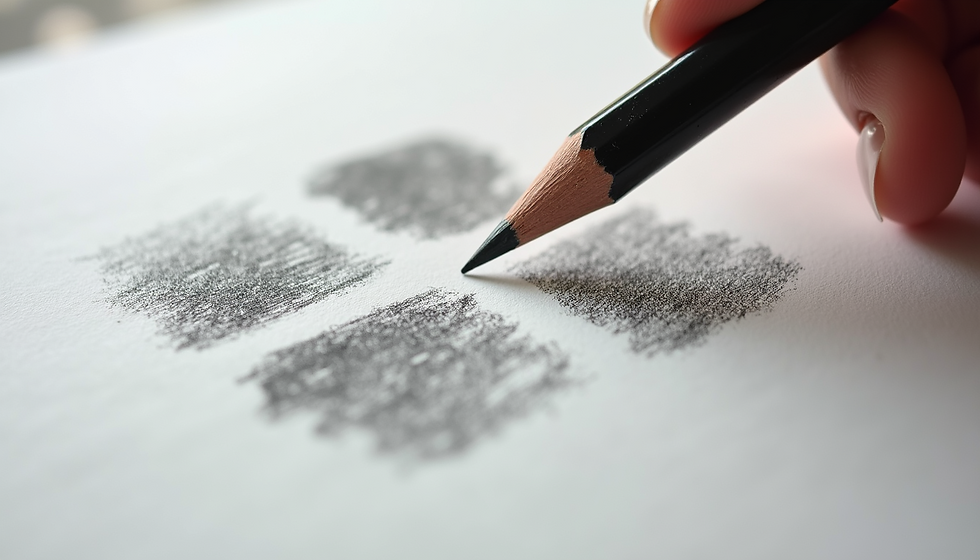
Layering and Blending: Start with light layers of graphite and gradually build up darker tones. Use blending tools like tortillons or even tissue paper to smooth transitions.
Value Control: Values are the lights and darks in your drawing. Mastering value means you can create the illusion of volume and space.
Texture Creation: Different pencil strokes and pressures can simulate textures like skin, fabric, or wood.
Edge Control: Sharp edges draw attention, while soft edges suggest distance or softness. Knowing when to use each is crucial.
Highlight Preservation: Leaving areas of the paper white or lightly shaded creates highlights that add realism.
By combining these methods, you can create drawings that feel three-dimensional and lifelike.

Essential Tools for Realistic Pencil Drawing
Before diving into techniques, having the right tools makes a big difference. Here’s what I recommend:
Graphite Pencils: A range from 9H (hardest) to 9B (softest) lets you achieve various tones.
Blending Tools: Tortillons, blending stumps, or soft tissues help smooth graphite.
Erasers: Kneaded erasers are perfect for lifting graphite gently and creating highlights.
Paper: Choose smooth or medium-textured paper designed for pencil work.
Sharpener: A sharp point is essential for fine details.
Using quality tools helps you control your marks better and achieve the subtle effects needed for realism.
What are the 7 Laws of Drawing?
Understanding the foundational principles behind drawing can elevate your work. The 7 laws of drawing are timeless guidelines that help artists create believable images:
The Law of the Edge: Focus on the edges of shapes to define form.
The Law of the Shadow: Shadows give objects depth and volume.
The Law of the Highlight: Highlights create the illusion of light reflecting off surfaces.
The Law of the Midtone: Midtones connect shadows and highlights smoothly.
The Law of the Texture: Texture adds realism by mimicking surface details.
The Law of the Proportion: Accurate proportions keep your drawing believable.
The Law of the Composition: How elements are arranged affects the overall impact.
I keep these laws in mind every time I pick up my pencil. They remind me to observe carefully and think critically about what I’m drawing.

Step-by-Step Guide to Creating Realistic Pencil Drawings
Let’s break down the process into manageable steps. Follow along and take your time with each one.
1. Choose Your Subject and Study It
Pick something that inspires you. It could be a still life, a portrait, or a landscape. Spend time observing the shapes, light, and shadows. Notice the smallest details.
2. Sketch the Basic Shapes Lightly
Use a hard pencil (like 2H) to outline the basic shapes. Keep your lines light so you can erase or adjust easily.
3. Establish the Light Source
Identify where the light is coming from. This will guide where you place shadows and highlights.
4. Block in the Shadows
Start shading the darkest areas with a softer pencil (like 4B). Use light pressure and build up gradually.
5. Add Midtones and Blend
Fill in the midtones with a medium pencil (like HB or 2B). Blend carefully to create smooth transitions.
6. Create Texture and Details
Use different strokes to mimic textures. For example, short, sharp strokes for hair or stippling for rough surfaces.
7. Refine Edges and Highlights
Sharpen edges where needed and use your kneaded eraser to lift graphite for highlights.
8. Step Back and Evaluate
Take breaks and look at your drawing from a distance. This helps you spot areas that need adjustment.
By following these steps, you’ll build a strong foundation for realistic pencil drawing.
Tips to Keep Your Realistic Drawings Fresh and Engaging
Realism doesn’t mean your drawing has to be stiff or boring. Here are some tips to keep your work lively:
Vary Your Pencil Pressure: This adds energy and interest.
Use Contrast Wisely: Strong contrasts can make your drawing pop.
Experiment with Different Textures: Try drawing glass, metal, or fabric to challenge yourself.
Keep Your Hand Relaxed: Tension can make your lines look forced.
Practice Regularly: The more you draw, the better your observation and control become.
Remember, every artist develops their own style within realism. Don’t be afraid to experiment and find what works for you.
Bringing It All Together with Realistic Pencil Drawing Techniques
If you want to dive deeper into mastering these skills, I highly recommend exploring realistic pencil drawing techniques. This resource offers detailed tutorials and examples that can help you refine your approach and gain confidence.
Realistic drawing is a journey. It takes patience, practice, and a willingness to observe the world closely. But the reward is incredible - the ability to create art that feels alive and true.
Keep your pencils sharp, your eyes open, and your creativity flowing. Every mark you make is a step closer to capturing the beauty of reality on paper. Happy drawing!
Expanding Your Artistic Skills
As you continue on your artistic journey, consider exploring various styles and techniques. Each new method can enhance your skills and broaden your understanding of art. Here are some areas to explore:
Experiment with Different Mediums
While pencil drawing is a fantastic foundation, don’t hesitate to try other mediums. Watercolors, acrylics, and pastels can offer new perspectives and techniques. Each medium has its unique properties that can inspire creativity.
Study Other Artists
Look at the work of artists you admire. Analyze their techniques and styles. What do you like about their work? How can you incorporate elements of their style into your own? Learning from others can spark new ideas and motivate you to push your boundaries.
Attend Workshops or Classes
Consider joining workshops or art classes. These can provide valuable feedback and introduce you to new techniques. Being around fellow artists can also inspire you and help build a supportive community.
Keep a Sketchbook
Maintaining a sketchbook is a great way to practice regularly. Use it to jot down ideas, experiment with new techniques, or simply draw what you see. This habit can help you develop your style and improve your skills over time.
Set Goals for Your Art
Setting specific goals can help you stay focused and motivated. Whether it’s completing a certain number of drawings each month or mastering a new technique, having clear objectives can guide your practice and keep you engaged.
Conclusion
Drawing realistically is a rewarding endeavor that requires practice and dedication. By understanding the methods, tools, and principles outlined in this guide, you can enhance your skills and create stunning artwork. Remember to enjoy the process and celebrate your progress along the way. Happy drawing!


Comments