
How Lighting Changes Your Artwork: Soft, Hard, and Ambient Light Explained
- Nov 22, 2025
- 5 min read
Art is not merely a reflection of reality; it is an interpretation shaped by various elements, one of which is lighting. Understanding how different types of light interact with your artwork can significantly enhance your creativity and mastery, especially in pencil and portrait art. In this blog post, we'll explore the nuances of soft, hard, and ambient light, explaining how they affect the mood, texture, and perception of your drawings. Let's embark on this enlightening journey to help foster your artistic growth.
The Essence of Light in Art
Light is fundamental in visual art, impacting how we perceive shapes, colors, and emotions. Whether you are rendering a dramatic portrait or a delicate pencil sketch, the type of lighting you choose can dramatically alter your artwork's outcome.
Take, for instance, the difference between a soft light and a harsh one. Soft light provides a gentle, diffused glow, casting fewer shadows and highlighting subtleties in your work. In contrast, hard light is bright and direct, creating strong contrasts and accentuating textures. Understanding these fundamental differences allows you to experiment boldly with your art.
Understanding Soft Light
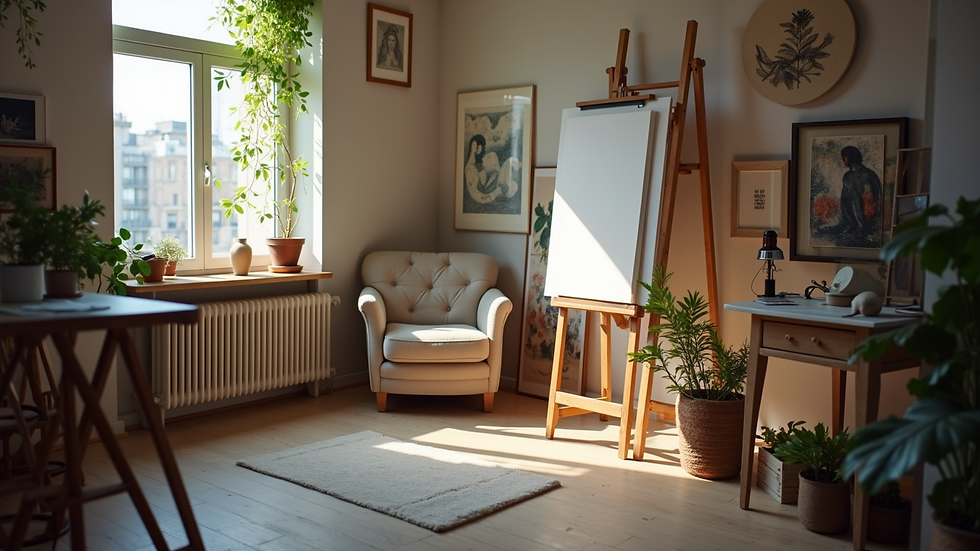
Soft light diffuses gently, wrapping around forms and creating a more inviting atmosphere. This type of light is often associated with overcast days or the golden hour before sunset. It minimizes harsh shadows, making the details in your pencil art appear smoother and more cohesive.
Mood and Texture
When employing soft lighting in your artwork, consider how it can affect the mood you wish to convey. Soft light often invokes feelings of calmness and serenity. For portrait art, soft lighting can enhance the features without making them appear harsh. This is particularly important when creating realistic portrayals, as it allows skin textures to remain subtle.
For example, if you are drawing a portrait and want to emphasize a gentle expression, using soft light can create a tender atmosphere. You might notice that skin appears more luminous and defects less pronounced, allowing for a more flattering depiction.

Practical Tips
Experiment with Natural Sources: Seek out soft natural light by positioning your artwork near a window during early morning or late afternoon. Adjust your composition to take advantage of this gentle illumination.
Use Diffusers: If you’re working indoors, consider using diffusing materials, such as white curtains or softboxes, to mimic soft light.
Study Shadows: Observe how subtle shadows are cast by the soft light. Use these shadows to inform your shading in pencil art for more realistic results.
Diving into Hard Light
Contrasting soft light, hard light creates stark contrasts and pronounced shadows. This lighting mirrors scenes under bright sunlight or direct artificial lighting conditions. It emphasizes textures and details, making every line and mark stand out.
Mood and Texture
Hard light is often dramatic, conveying intensity or tension in your art piece. When used skillfully, it can bring a sense of urgency to a portrait, making subjects appear more alive and dynamic. For artists, grasping how to harness the power of hard lighting can unlock a different dimension in their work – one that is raw and unfiltered.
In portrait art, hard light can highlight facial structure compellingly. Shadows can define cheekbones and jawlines, giving character to the figure. However, this type of lighting also requires careful manipulation to avoid undesirable starkness in pores and textures.

Practical Tips
Use Overhead Lighting: Place your artwork under direct overhead lights to experience the effects of hard light firsthand. Observe how it changes the appearance of your work.
Play with Angles: Experiment with the angle of your light source. Hard light positioned at different angles can yield varying shadow lengths and intensities.
Contrast and Detail: When using hard light, make sure to include a rich range of values in your art. This practice will help emphasize both the shadows and light areas, resulting in a compelling piece.
Exploring Ambient Light
Ambient light is the gentle illumination that fills a space, emerging from various sources without a specific direction. It serves as the overall light that sets the base level of brightness in a room or outdoor setting, affecting how we see our artworks in diverse environments.
Mood and Texture
When it comes to creativity, ambient light plays a crucial role. It can soften hard edges and unify the look of various elements in your art. While it may not direct focus like hard or soft light, ambient light creates an overall atmosphere that can be soothing or even dramatic based on its intensity.
Ambient lighting can reduce the starkness of an art piece, making it easier to engage with the emotional qualities within. For portrait art, it allows for a subtle, blended effect, as features appear gentler and less rigid than under hard lighting.

Practical Tips
Create Balance: Utilize ambient light to ensure your workspace is illuminated yet comfortable. This even lighting will help you avoid straining your eyes while working.
Combine with Other Lights: Use ambient lighting in conjunction with hard or soft lights to achieve depth. This combination allows you to nuance your art and create a dynamic composition.
Evaluate Color Choices: Be aware of how colors appear under ambient light. Test your colors in different environments to understand their emotional and visual impacts.
Experiment and Evolve Your Art
As artists, you are continually in pursuit of growth and creativity. Embracing different lighting types opens a broader palette for expressing your artistic vision. To truly harness the influence of light on your artwork, consider applying the following suggestions:
Create a Light Journal: Document the lighting setups you experiment with by photographing your work under varying conditions. Taking notes can help you remember which setups worked best for your desired outcomes.
Join Workshops or Tutorials: Participate in workshops focusing on lighting techniques. Learning alongside fellow artists can provide new insights and motivate you to push your creative boundaries.
Engage with Your Community: Share your findings with fellow artists or the Pencil Spark Studio community. Discuss what works for you and gather feedback to inspire further experimentation.
Approach your next artwork with this new understanding of light and let it guide your artistic journey. Lighting is more than just a technical element; it has the power to evoke emotion and narrative within your drawings.
Illuminate Your Artistic Path
Your ability to manipulate light dramatically affects how your artwork communicates to the viewer. Understanding the intricacies of soft, hard, and ambient light is a vital step in developing your unique style. Let the effects of light challenge you to create works that resonate on an emotional level.
Take these insights and experiment with your light sources in every future project. Remember, every drawing is an opportunity to explore and express your creativity to the world. Embrace the shadows and highlights, and let your artwork shine brilliantly!


Comments