
The Harmonious Connection Between Art and Mindfulness in Modern Life

Modern life often feels like a relentless stream of distractions, stress, and constant stimulation. Notifications ping, deadlines loom, and the mind races to keep pace with an ever-changing world. In this environment, finding moments of calm and clarity can seem elusive. Yet, mindfulness offers a way to step back, slow down, and engage fully with the present moment. Interestingly, art shares this same invitation. Both art and mindfulness encourage attention, reflection, and presence, creating a space where the mind can rest and explore.
This article explores the deep relationship between art and mindfulness. It examines how mindfulness enhances our experience of art, how creating art can become a mindful practice, and why abstract art, in particular, invites a contemplative state. Along the way, we will consider the healing power of creative expression and the importance of slowing down in a fast-paced world.
What Is Mindfulness?
Mindfulness is simply the practice of paying attention to the present moment without judgment. It means observing thoughts, feelings, and sensations as they arise, without trying to change or suppress them. This kind of awareness allows us to experience life more fully and respond to challenges with greater calm and clarity.
At its core, mindfulness involves three key elements:
Presence: Being fully engaged with what is happening right now.
Observation: Noticing thoughts and sensations as they come and go.
Acceptance: Allowing experiences to be as they are, without labeling them good or bad.
In today’s world, where multitasking and digital distractions dominate, mindfulness is increasingly important. It helps reduce stress, improve focus, and foster emotional balance. By cultivating mindfulness, individuals can create mental space to respond thoughtfully rather than react impulsively.
Art as a Form of Mindfulness
Creating art naturally encourages focus and presence. When drawing, painting, or engaging in any creative activity, the mind often enters a state of deep concentration. This focus quiets the usual mental chatter and invites a meditative experience.
Consider the act of painting a single brushstroke. The artist must attend closely to color, texture, and movement. This attention anchors the mind in the present moment. The process becomes less about the final product and more about the experience of creating.
Art-making also strengthens the connection between attention and creativity. By observing details carefully and experimenting with forms, artists cultivate a mindful awareness that enhances their creative flow. This state of flow, often described as being "in the zone," shares many qualities with mindfulness: immersion, focus, and a sense of timelessness.
The Healing Power of Creative Expression
Art provides a language beyond words. It allows people to express emotions and experiences that may be difficult to articulate verbally. This nonverbal communication can be deeply healing.
Through creative expression, individuals gain insight into their inner world. Art-making encourages emotional processing and self-awareness by bringing unconscious feelings to the surface. This process can reduce anxiety, improve mood, and foster resilience.
Importantly, art creates space for reflection rather than immediate solutions. It invites viewers and creators alike to sit with their emotions and thoughts, exploring them without pressure to fix or change. This openness supports emotional well-being and personal growth.

Why Abstract Art Encourages Mindfulness
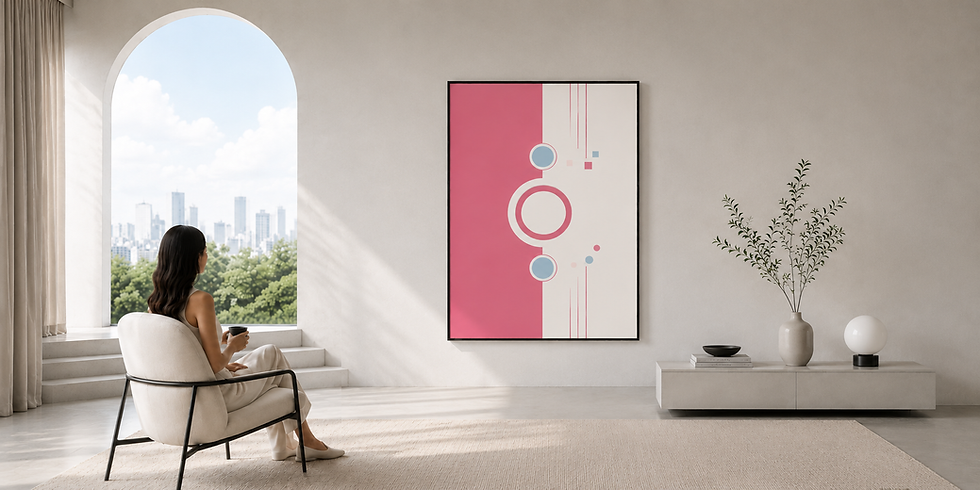
Abstract art invites slower, more deliberate observation. Unlike representational art, which often tells a clear story or depicts familiar objects, abstract works use colors, shapes, and forms that resist immediate interpretation.
This openness encourages viewers to engage more deeply. Without a fixed narrative, the mind slows down to explore the artwork’s elements and textures. Viewers bring their own memories, emotions, and associations to the experience, making it highly personal and reflective.
Abstract art often creates a contemplative atmosphere. Its ambiguity invites curiosity and patience, qualities essential to mindfulness. By spending time with abstract pieces, viewers practice presence and acceptance, allowing thoughts and feelings to arise naturally.
The Importance of Slowing
Slowing down is essential to both mindfulness and the experience of art. In a culture that values speed and productivity, taking time to pause can feel counterintuitive. Yet, slowing allows the mind to settle and opens space for deeper awareness.
When we slow down, we notice details that usually go unnoticed. In art, this might mean appreciating subtle color shifts or the texture of brushstrokes. In mindfulness, it means tuning into the rhythm of the breath or the sensations in the body.
Slowing also supports emotional regulation. It gives us time to respond thoughtfully rather than react impulsively. This pause creates a buffer against stress and helps maintain mental balance.
Both art and mindfulness remind us that presence is not about rushing to the next moment but fully inhabiting the one we are in. This shift in pace can transform how we experience life, making it richer and more meaningful.
The connection between art and mindfulness offers a powerful way to navigate the challenges of modern life. By engaging with art mindfully, whether as a creator or observer, we cultivate presence, reflection, and emotional insight. This practice enriches our inner world and supports well-being.
Comments