
Form of Feeling: 10 Minimalist Abstract Artworks That Visualize Human Emotions

Emotions often escape the limits of language. They ripple beneath the surface of consciousness, subtle and complex, resisting easy description. The Form of Feeling series captures this elusive quality by transforming delicate emotional states into abstract visual forms. This collection of contemporary artworks invites viewers to experience feelings beyond words, using color, shape, and composition as a unique language of the inner world.
This post explores the Form of Feeling series in depth. Each artwork embodies a distinct emotional state, offering philosophical insights and psychological reflections. We will examine how abstract art reveals the interplay between memory, emotion, and awareness, and why this approach resonates deeply in modern life. Through this journey, you will discover how abstract art opens a space for mindfulness, vulnerability, and personal connection.

Understanding the Form of Feeling Series
The Form of Feeling series is a collection of ten contemporary abstract artworks. Each piece translates a specific emotional experience into visual form, using abstraction to bypass the constraints of verbal expression. Emotions like grief, joy, and silence are not depicted literally but suggested through color, texture, and spatial relationships.
Abstract art offers a language that speaks directly to the subconscious. It allows feelings to emerge without the filter of narrative or symbolism tied to recognizable objects. This makes it possible to explore the complexity of human emotions in a way that feels immediate and personal.
The series invites viewers to slow down and reflect. It creates a space where emotions can be felt fully, without judgment or explanation. This openness encourages a deeper awareness of how feelings shape our experience of the world.
Soft Grief
Emotional meaning and symbolism
Soft Grief captures the quiet, lingering sadness that follows loss. It is not the sharp pain of tragedy but the gentle ache that remains, a muted sorrow that colors everyday moments.
Philosophical interpretation
This artwork reflects the idea that grief is not a single event but a process of ongoing transformation. It acknowledges the presence of absence and the way loss reshapes identity.
Psychological experience
Soft Grief represents the human capacity to hold sadness alongside hope. It mirrors the ebb and flow of mourning, where memories surface softly rather than overwhelm.
Memory, emotion, and awareness
The piece suggests how memories of what is lost can evoke a tender emotional resonance, inviting mindful attention to the subtle shifts in feeling.
Abstract communication
Muted blues and grays blend with gentle curves, evoking a sense of fluidity and calm. The composition’s softness invites quiet contemplation.
Viewer connection
Viewers may find comfort in recognizing their own experiences of grief, feeling seen in the artwork’s gentle embrace of sorrow.
Quiet Joy
Emotional meaning and symbolism
Quiet Joy expresses the understated happiness found in simple moments—a smile, a breath of fresh air, or a peaceful morning.
Philosophical interpretation
This piece highlights joy as a state of presence rather than exuberance. It values stillness and contentment over spectacle.
Psychological experience
Quiet Joy reflects mindfulness and the ability to savor small pleasures, a counterbalance to life’s stresses.
Memory, emotion, and awareness
The artwork evokes how joyful memories can surface softly, enriching the present moment with warmth.
Abstract communication
Soft yellows and warm whites create a luminous space, with gentle shapes suggesting lightness and ease.
Viewer connection
Viewers may feel invited to pause and appreciate the quiet joys in their own lives, fostering gratitude.
Invisible Distance
Emotional meaning and symbolism
Invisible Distance explores feelings of separation and longing that are not marked by physical space but emotional or psychological gaps.
Philosophical interpretation
The work reflects on the invisible barriers between people, shaped by unspoken thoughts and unshared feelings.
Psychological experience
It captures the tension of wanting connection while feeling apart, a common human experience in relationships.
Memory, emotion, and awareness
Invisible Distance evokes how memories of closeness contrast with present feelings of distance, creating emotional complexity.
Abstract communication
Cool blues and fragmented shapes suggest separation, while subtle overlaps hint at the possibility of reconnection.
Viewer connection
Viewers may relate to the bittersweet nature of distance, recognizing their own moments of emotional separation.
Held Breath
Emotional meaning and symbolism
Held Breath conveys anticipation, tension, and the suspended moment before release.
Philosophical interpretation
This piece reflects the human experience of waiting and the power of stillness in moments of uncertainty.
Psychological experience
It represents the physical and emotional sensation of holding back, whether from fear, hope, or focus.
Memory, emotion, and awareness
Held Breath invites awareness of the body’s role in emotional states and the interplay between control and surrender.
Abstract communication
Tense lines and compressed forms create a sense of containment, while subtle gradients suggest impending movement.
Viewer connection
Viewers may sense their own experiences of anticipation, feeling the artwork’s quiet energy.
Gentle Harmony
Emotional meaning and symbolism
Gentle Harmony captures the paradox of disorder that feels alive and creative rather than overwhelming.
Philosophical interpretation
This artwork embraces complexity and the beauty found in unpredictability and change.
Psychological experience
It reflects the mind’s capacity to hold multiple, conflicting emotions simultaneously.
Memory, emotion, and awareness
Gentle Harmony suggests how memories and feelings swirl together, shaping a dynamic inner landscape.
Abstract communication
Layered brushstrokes and vibrant colors create movement and texture, evoking a lively tension.
Viewer connection
Viewers may find resonance in the artwork’s acceptance of imperfection and flux.
Passing Warmth
Emotional meaning and symbolism
Passing Warmth evokes fleeting moments of comfort and connection, like a brief touch or a kind word.
Philosophical interpretation
The piece reflects on the transient nature of warmth and the importance of appreciating it when it appears.
Psychological experience
It captures the human need for connection and the bittersweet awareness of its impermanence.
Memory, emotion, and awareness
Passing Warmth invites reflection on how brief experiences can leave lasting emotional impressions.
Abstract communication
Soft oranges and reds blend with gentle curves, suggesting warmth that moves through space.
Viewer connection
Viewers may recall their own moments of passing warmth, feeling a quiet gratitude.
Passing Thoughts
Emotional meaning and symbolism
Passing Thoughts represents the restless, often chaotic thoughts and feelings that crowd the mind.
Philosophical interpretation
This artwork explores the tension between inner turmoil and the search for clarity.
Psychological experience
It reflects anxiety, distraction, and the challenge of finding calm amid mental clutter.
Memory, emotion, and awareness
Passing Thoughts suggests how memories and worries intertwine, affecting emotional balance.
Abstract communication
Jagged lines and contrasting colors create a sense of agitation and movement.
Viewer connection
Viewers may recognize their own mental noise, gaining insight into its presence and impact.
Quiet Intimacy
Emotional meaning and symbolism
Quiet Intimacy captures the gentle stillness that holds space for healing and reflection.
Philosophical interpretation
The piece honors silence as a form of communication and emotional presence.
Psychological experience
It reflects the comfort found in quiet moments and the power of listening to oneself.
Memory, emotion, and awareness
Quiet Intimacy evokes how silence can deepen awareness of feelings and memories.
Abstract communication
Soft, muted tones and smooth textures create a calming, enveloping atmosphere.
Viewer connection
Viewers may feel invited to embrace silence and find peace within.
Fading Memory
Emotional meaning and symbolism
Fading Memory explores the gradual loss of clarity in recollections and the emotions tied to them.
Philosophical interpretation
This artwork reflects on impermanence and the shifting nature of identity shaped by memory.
Psychological experience
It captures nostalgia, loss, and the bittersweet quality of fading memories.
Memory, emotion, and awareness
Fading Memory invites contemplation of how memories change over time and influence feelings.
Abstract communication
Blurred edges and soft grays suggest dissolution and the passage of time.
Viewer connection
Viewers may connect with the universal experience of memory’s fragility.
Restless Calm
Emotional meaning and symbolism
Restless Calm embodies the paradox of feeling unsettled beneath a calm exterior.
Philosophical interpretation
This piece reflects the complexity of emotional states that coexist in tension.
Psychological experience
It represents the struggle to maintain composure while experiencing inner unrest.
Memory, emotion, and awareness
Restless Calm suggests how awareness of conflicting feelings can lead to deeper self-understanding.
Abstract communication
Balanced compositions with subtle disruptions convey both stability and movement.
Viewer connection
Viewers may see their own emotional contradictions reflected, fostering empathy.
The Philosophy Behind Form of Feeling
The Form of Feeling series is grounded in the belief that emotional awareness is essential to human experience. It encourages vulnerability and acceptance by presenting feelings as complex and multifaceted rather than simple or fixed.
This approach recognizes that emotions often resist clear definition. Abstract art provides a way to express feelings that lie beyond words, offering a visual language that is open to interpretation. This openness invites viewers to engage in reflection and mindfulness, deepening their connection to their own emotional landscape.
By embracing emotional complexity, the series challenges the idea that feelings should be controlled or hidden. Instead, it celebrates the richness of inner life and the value of being present with all aspects of experience.
Why Emotional Abstract Art Resonates with Modern Life
In today’s fast-moving world, emotional abstract art like Form of Feeling offers a pause for mental well-being. It supports mindfulness by encouraging viewers to slow down and tune into subtle feelings.
The personal interpretation required by abstract art makes it especially relevant. Each viewer brings their own memories and emotions, creating a unique dialogue with the work. This fosters a sense of emotional connection that is both intimate and expansive.
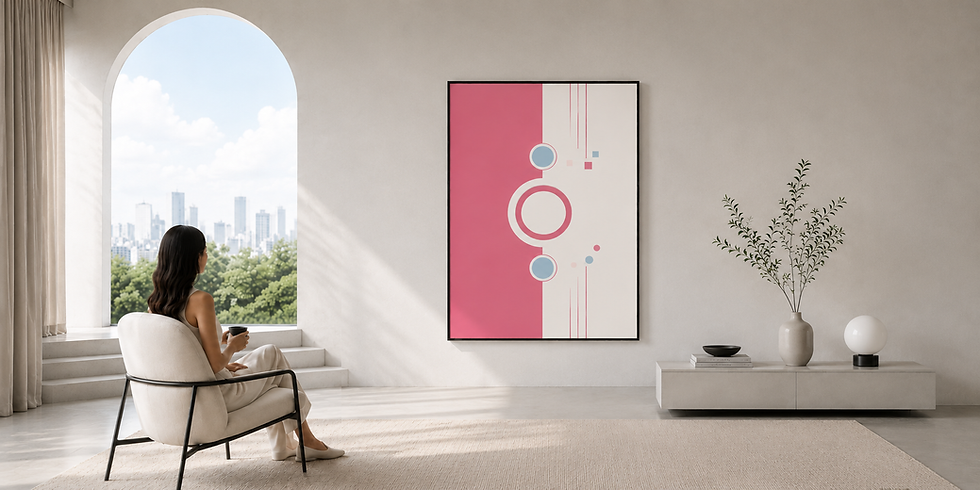
From a design perspective, the minimalist aesthetic of the series fits well with contemporary interiors. Its calm, thoughtful presence can transform spaces into places of reflection and emotional balance.
Ultimately, emotional abstract art resonates because it acknowledges the complexity of human feelings and offers a space to experience them fully.

Comments