
“The Art of Quiet Luxury: Why Modern Spaces Need Emotional Calm”

Updated: Jun 11
Modern life moves fast. Screens, notifications, and endless noise fill our days, leaving many craving a space that feels calm and grounded. This growing need for emotional calm has sparked a new appreciation for quiet luxury art and mindful interior design. These elements create modern spaces that offer more than beauty—they provide a sanctuary for the mind and soul.
What Is Quiet Luxury Art?
Quiet luxury art is about subtlety and depth rather than loud statements. It embraces minimalism, focusing on refined details, texture, and materiality to evoke a serene atmosphere. This style avoids flashy trends and instead opts for timeless aesthetics that age gracefully.
Key features of quiet luxury art include:
Understated elegance: Artworks that blend seamlessly with their surroundings without overwhelming the space.
Texture and material focus: Use of natural materials like linen, wood, or stone, and tactile surfaces that invite touch and contemplation.
Emotional atmosphere: Pieces designed to inspire calm, reflection, and emotional balance.
Timeless design: Avoiding fads, these artworks maintain relevance and appeal over years.
In interiors, quiet luxury art complements luxury minimalist art and mindful interior design principles. It creates a backdrop that supports relaxation and emotional well-being rather than competing for attention.
Why Emotional Calm Matters in Modern Spaces
The Psychological Impact of Visual Noise
Our brains process visual information constantly. Cluttered, busy environments increase stress and reduce focus. Visual noise—too many colors, patterns, or objects—can overwhelm the senses and trigger anxiety.
Quiet luxury art reduces this noise by offering clean lines, neutral palettes, and simple forms. This allows the mind to rest and recharge.
How Calm Interiors Improve Wellbeing
Spaces designed for emotional calm support mental health. Studies show that calm environments can:
Lower cortisol levels (stress hormone)
Improve sleep quality
Boost creativity and productivity
Enhance mood and reduce anxiety
Incorporating healing abstract art and minimalist wall art into interiors helps create these restorative spaces.
The Rise of Mindful Interior Design
Mindful interior design focuses on creating spaces that nurture the occupant’s emotional and physical health. It emphasizes:
Intentional choices in furniture and decor
Use of natural light and materials
Balanced layouts that encourage flow and ease
Quiet luxury art fits naturally into this approach, reinforcing a sense of peace and purpose.
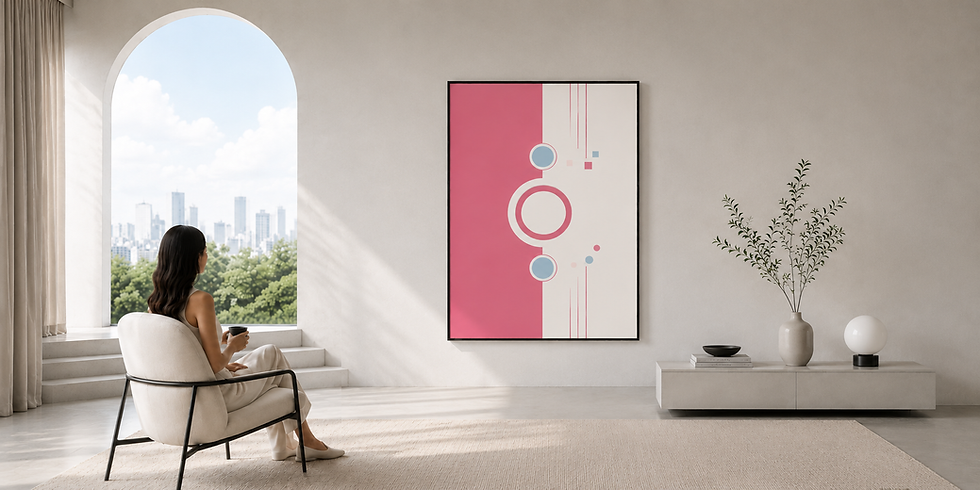
How Quiet Luxury Art Transforms Interiors
Creating Visual Breathing Space
Quiet luxury art creates areas of visual rest. By using simple shapes and muted colors, it allows other design elements to shine and prevents sensory overload. This breathing space invites occupants to pause and reflect.
Using Statement Abstract Artwork in Luxury Homes
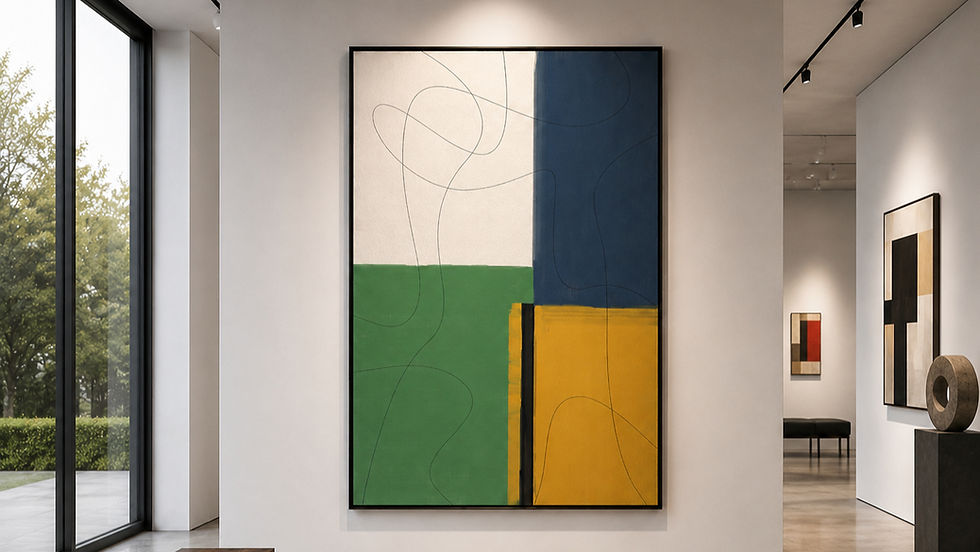
A single statement abstract artwork can anchor a room without dominating it. These pieces often use subtle contrasts and textures to draw the eye gently, adding depth and interest while maintaining calm.
The Role of Neutral Color Palettes
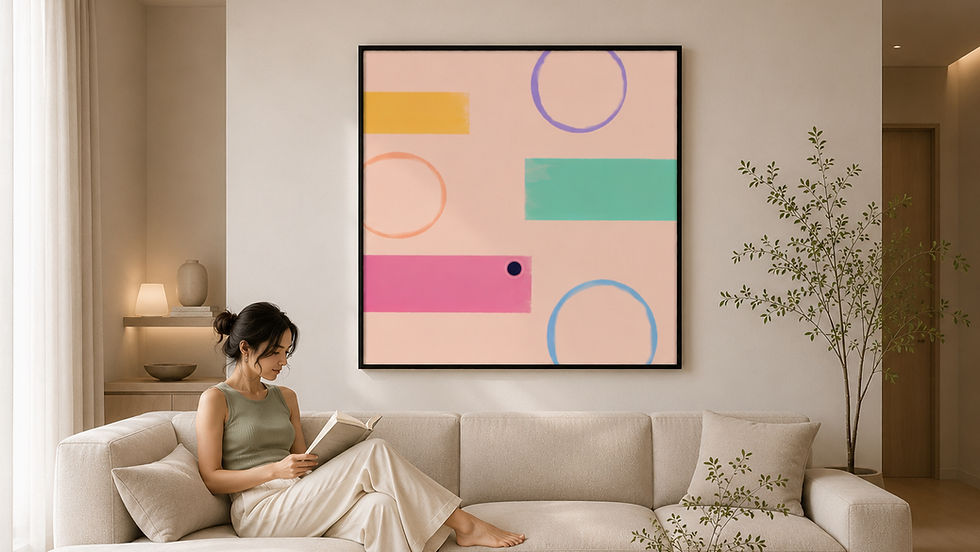
Neutral tones—soft whites, warm beiges, gentle greys—form the foundation of quiet luxury interiors. These colors soothe the eye and create a cohesive backdrop for art and furnishings. They also enhance natural light, making spaces feel open and airy.
Texture, Light, and Architectural Harmony
Texture adds dimension and warmth to minimalist spaces. Combining smooth surfaces with tactile elements like woven fabrics or matte finishes enriches the sensory experience. Thoughtful lighting highlights these textures and the artwork, while architectural features like clean lines and open layouts support a harmonious environment.

Comments