
Why Limited Edition Art Prints Hold Greater Value Than Open Editions

Updated: Aug 10
The world of art collecting has seen a notable shift in recent years. Fine art prints, once considered secondary to original paintings or sculptures, have gained significant popularity among collectors and enthusiasts alike. This rise reflects a deeper appreciation for the nuances of printmaking and the unique qualities that distinguish different types of prints. Among these, limited edition prints stand out for their ability to combine accessibility with exclusivity. They offer collectors a tangible connection to the artist’s vision while maintaining a sense of rarity.
Understanding Art Collecting
Understanding the difference between collecting art and merely decorating a space is crucial. While decorative art serves to enhance an environment, collecting art involves a thoughtful engagement with the work’s provenance, rarity, and potential long-term value. One of the key factors influencing these aspects is the edition size of a print. This article explores why limited edition art prints generally hold greater value than open editions and how edition size affects their rarity, collectibility, and investment potential.
What Is a Limited Edition Art Print?
A limited edition art print is a reproduction of an original artwork produced in a fixed, predetermined number of copies. Unlike open editions, which can be printed indefinitely, limited editions have a strict cap on the number of prints available. This cap is usually set by the artist or the publisher and is often accompanied by the artist’s approval to ensure quality and authenticity.
Each print in a limited edition is typically numbered to indicate its place within the edition. For example, a print marked 10/50 means it is the tenth print out of a total of fifty. This numbering system not only confirms the print’s authenticity but also highlights its scarcity. Alongside the numbering, limited edition prints often come with a Certificate of Authenticity (COA), which provides additional verification of the print’s origin and legitimacy.
Collectors value limited editions because scarcity creates a sense of exclusivity. Knowing that only a small number of prints exist adds to the artwork’s appeal and can increase its desirability over time. The artist’s involvement in approving the edition size and the quality of each print further enhances the print’s status as a collectible item.
What Is an Open Edition Print?
Open edition prints differ significantly from limited editions in that they have no fixed limit on the number of copies produced. These prints can be reproduced as many times as needed, making them widely accessible and generally more affordable. Because of their unlimited nature, open editions lack the exclusivity that collectors often seek.
Open editions serve a different purpose. They are ideal for decorative use, allowing art lovers to enjoy reproductions of popular works without the higher cost associated with limited editions. While open editions can be visually appealing and suitable for personal enjoyment or interior design, they do not carry the same weight in terms of collectibility or investment potential.
The absence of numbering and often the lack of artist involvement in the printing process means open editions are less likely to appreciate in value. They are primarily valued for their aesthetic qualities rather than their rarity or provenance.
Limited Edition vs Open Edition
When deciding between limited edition and open edition prints, several factors come into play. Understanding these differences helps collectors make informed choices based on their goals, whether for personal enjoyment, collection building, or investment.
Rarity
Limited editions are inherently rare due to their fixed number of prints. This rarity can create a sense of urgency among collectors, knowing that once the edition sells out, no more prints will be produced. Open editions, by contrast, have no scarcity, which generally limits their appeal to collectors.
Exclusivity
Limited editions offer exclusivity because only a select group of people can own a particular print. This exclusivity often enhances the emotional connection between the collector and the artwork. Open editions lack this exclusivity, making them more common and less unique.
Artist Involvement
Artists usually play a direct role in approving limited editions, overseeing the printing process to ensure quality and authenticity. This involvement adds value and credibility to the print. Open editions may be produced without the artist’s direct oversight, which can affect the print’s perceived authenticity.
Long-term Collectibility
Limited editions tend to hold or increase their value over time, especially if the artist gains recognition or the edition size is small. Open editions rarely appreciate significantly because their unlimited nature dilutes their market presence.
Investment Potential
Collectors often view limited editions as a more secure investment due to their scarcity and artist involvement. Open editions are less likely to provide financial returns and are better suited for decorative purposes.
Price
Limited editions command higher prices because of their rarity and quality assurance. Open editions are more affordable, making art accessible to a broader audience but with less potential for value growth.
Emotional Ownership
Owning a limited edition print can create a stronger emotional bond, as collectors feel part of an exclusive group. Open editions, while enjoyable, may not inspire the same sense of pride or connection.
Resale Considerations
Limited edition prints generally have better resale prospects, especially if the artist’s reputation grows. Open editions are harder to resell at a premium due to their abundance.
Why Scarcity Creates Value
The principle of supply and demand is fundamental to understanding why limited edition prints hold greater value. When the supply of an item is limited and demand remains steady or grows, the item’s value tends to increase. Scarcity makes an artwork more desirable because it cannot be easily obtained by everyone.
Collector psychology also plays a role. People often assign higher value to objects that are rare or exclusive. This perception of rarity enhances the emotional and monetary worth of limited edition prints. Owning something that few others possess creates a sense of pride and distinction.
Exclusivity is a powerful motivator. Limited editions offer a tangible way to own a piece of art history that is not widely available. This exclusivity can foster a deeper appreciation for the artwork and the artist’s creative process.
Human perception of rarity extends beyond art. It influences how people value collectibles, antiques, and luxury goods. Objects that cannot be endlessly reproduced carry an inherent appeal because they represent uniqueness and authenticity.
While limited edition prints can hold or increase their value, it is important to approach art collecting with realistic expectations. Not every limited edition print will become a financial asset, but understanding how edition size affects value helps collectors make informed decisions.
The Emotional Connection to Art
Art is not just about investment; it’s also about emotion. When I look at a piece of art, I feel a connection to the artist and their story. Limited edition prints often evoke stronger feelings because of their rarity. Knowing that only a few exist makes each piece feel special. This emotional connection is a big part of why I love collecting art.
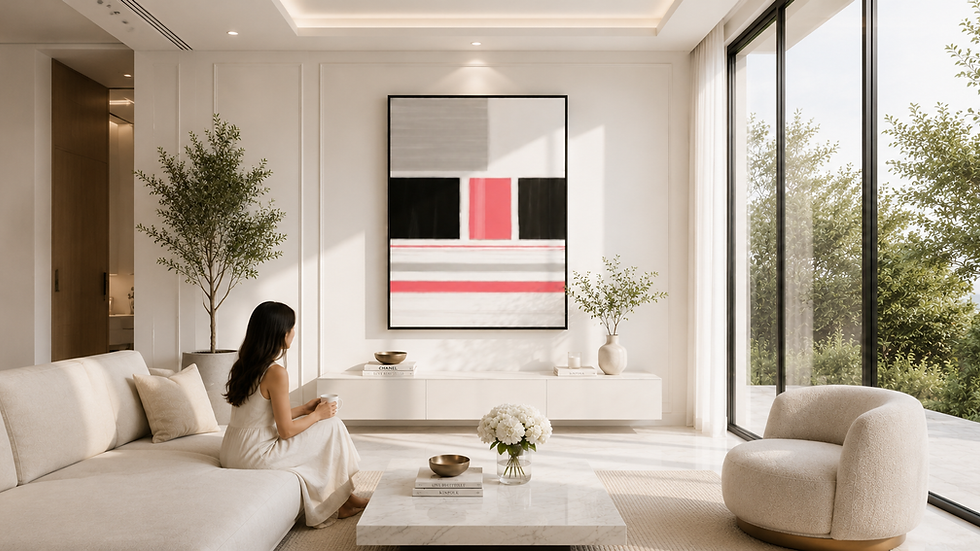
When I hang a limited edition print on my wall, it’s more than decoration. It’s a conversation starter. It tells a story. It reflects my taste and values. Each piece has a narrative that resonates with me, making my space feel more personal and meaningful.
Making the Right Choice
The choice between limited edition and open edition prints depends on individual goals and preferences. For those seeking exclusivity, long-term collectibility, and potential investment value, limited editions offer clear advantages. They provide a connection to the artist’s work that goes beyond decoration, embodying scarcity and authenticity.
Open editions remain a valuable option for those who want to enjoy art without the higher cost or commitment associated with limited editions. They make art accessible and can enhance living spaces beautifully.
Ultimately, understanding how edition size influences rarity and value empowers collectors to build meaningful collections that reflect both their tastes and their appreciation for the art market’s dynamics. Whether starting a collection or expanding one, knowledge about edition types is a key step toward making thoughtful, confident art purchases.
Conclusion
In conclusion, the world of art collecting is rich and varied. Limited edition prints offer a unique blend of rarity, emotional connection, and investment potential. Understanding the differences between limited and open editions can enhance your collecting experience. As I continue my journey in art collecting, I find joy in discovering pieces that resonate with me and contribute to my personal story.
Remember, art is not just about the price tag; it’s about the connection you feel. So, whether you choose a limited edition or an open edition, let your heart guide you. Happy collecting!


Comments